WASHINGTON, D.C. – Rob Benedict, American Fuel & Petrochemical Manufacturers (AFPM) Vice President of Petrochemicals & Midstream, today released the following statement on the recently reintroduced Break Free from Plastic Pollution Act.
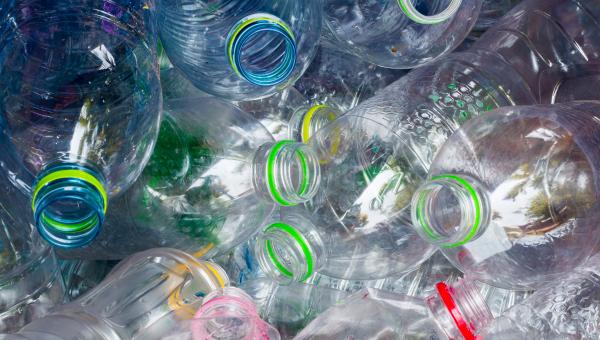
As AFPM participates in the United Nations negotiations of a global agreement on plastic pollution in Kenya, the association released the following statement addressing criticisms of recycling and calls for production restrictions on polymers.
Pyrolysis oil allows petrochemical manufacturers and recyclers to reduce the need for virgin petroleum-based feedstocks. Our industries cannot reap the benefits of advanced recycling without being able to take advantage of the substance’s broad uses, especially as a feedstock to make building blocks for new plastics.
Have you ever wondered how crude oil or natural gas is processed, and how it becomes the building blocks of products we use everyday? This infographic gives a basic snapshot of how petrochemical...
AFPM President and CEO Chet Thompson issued the following statement in response to the White House’s latest announcement of a release of crude oil from the SPR: “The SPR was never meant to serve as a substitute for actual crude oil production. At best, SPR releases are a short-term fix, not a long-term solution or signal of stability to a market craving reassurance..."
Earnings in commodities-based industries tend to be cyclical. Because of the up-and-down reality of refining, it would be a mistake to regulate or legislate based on the high points. A few quarters of earnings don’t provide an accurate representation. That context is important for answering the question of what happens with refinery profits and whether using earnings to “buy back” stock from shareholders is an appropriate use of those funds.
Governor Gavin Newsom continues to blame fuel refiners for California’s highest-in-the-nation fuel prices. He couldn't be more wrong. The problem and solution to much of California’s fuel price challenge can be found in Sacramento policy. Take a look to better understand the role of policy in regional price differences, why it’s inaccurate to equate “margins” or “refinery cracks” with “profits,” and why windfall profit taxes are a known policy failure.
AFPM President and CEO Chet Thompson issued the following statement regarding President Biden’s suggestion that a Windfall Profit Tax should be considered to address fuel supplies and prices: “Once again, the President is more worried about political posturing before the Midterms than he is about advancing energy policies that will actually deliver for the American people."
Restricting exports would be a major unforced error for the President, tightening global fuel supplies, throttling U.S. fuel production and increasing costs for American consumers. Likewise, imposing product inventory requirements boils down to siphoning gasoline and diesel into storage, and away from consumers.
America’s freight rail system is an essential part of our national and global supply chains, including those for fuels and petrochemicals. While a work stoppage would be devastating, service curtailments and other strike impacts will be felt much sooner—before a strike is formally launched. As we learned this September, railroads will begin metering traffic and embargoing shipments of materials critical to the refining and petrochemical industries up to a week or more before a strike begins.