Have you ever wondered how crude oil or natural gas is processed, and how it becomes the building blocks of products we use everyday? This infographic gives a basic snapshot of how petrochemical...
Governor Gavin Newsom continues to blame fuel refiners for California’s highest-in-the-nation fuel prices. He couldn't be more wrong. The problem and solution to much of California’s fuel price challenge can be found in Sacramento policy. Take a look to better understand the role of policy in regional price differences, why it’s inaccurate to equate “margins” or “refinery cracks” with “profits,” and why windfall profit taxes are a known policy failure.
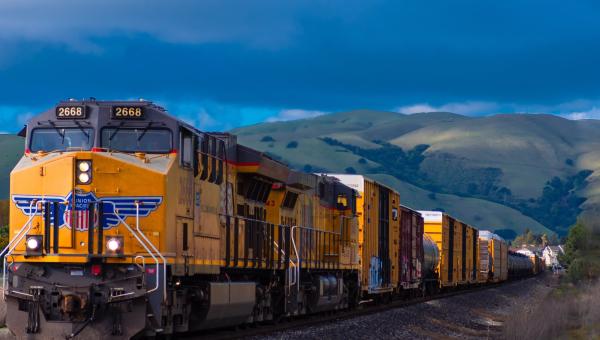
America’s freight rail system is an essential part of our national and global supply chains, including those for fuels and petrochemicals. While a work stoppage would be devastating, service curtailments and other strike impacts will be felt much sooner—before a strike is formally launched. As we learned this September, railroads will begin metering traffic and embargoing shipments of materials critical to the refining and petrochemical industries up to a week or more before a strike begins.
On Tuesday, November 29th AFPM President and CEO Chet Thompson sent a letter to Congressional leadership urging their immediate intervention to avoid a rail worker strike. Thompson stressed that time is of the essence since shipping embargos and service curtailments capable of disrupting U.S. manufacturing, fuel production and freight deliveries are starting now, well before a December 9 work stoppage. A copy of AFPM’s letter is available here and excerpts can be found below:
Not only do the fuel and petrochemical industries make it possible, they’re also responsible for preserving and maintaining some of the best-known landmarks all over the world. Read on to join us for a ‘round the globe trip to some of the world’s most famous petrochemicals!
AFPM President and CEO Chet Thompson issued the following statement on the Environmental Protection Agency’s (EPA’s) proposal of light- and heavy-duty vehicle GHG emission standards: "EPA's proposal to effectively ban gasoline and diesel vehicles is bad for consumers, the environment, our freedom of mobility and U.S. national security. It’s unconscionable that the Administration would propose this knowing full well that China controls 80% of global battery production capacity..."
AFPM President and CEO Chet Thompson testified before a House Energy & Commerce subcommittee on legislation aimed at preserving U.S. energy security and Americans’ ability to purchase the fuels and vehicles of their choosing while continuing to move the transportation sector in a more efficient and less carbon intensive direction.
The House of Representatives will soon vote on three pieces of legislation to rein in the federal Environmental Protection Agency (EPA) from (1) imposing and enabling de facto bans on new cars and trucks that run on liquid fuels and (2) from radically transforming the Renewable Fuel Standard (RFS) into a new nine-figure-government subsidy program for electric vehicles (EVs).
California has officially asked the Biden administration for permission to ban the sale of new gasoline and diesel vehicles by 2035—an unprecedented move that will deny millions of Americans the ability to choose for themselves the types of cars or trucks they want to drive. The decision is entirely up to President Biden...
“Just as we were proud to testify in support of these bills last month, AFPM is proud to support the legislation being marked up today...As members review these bills carefully, appreciating exactly what they do and do not do, the choice to support them should be obvious, especially for those with fuel and petrochemical manufacturing facilities in their districts.” – Chet Thompson, AFPM President & CEO