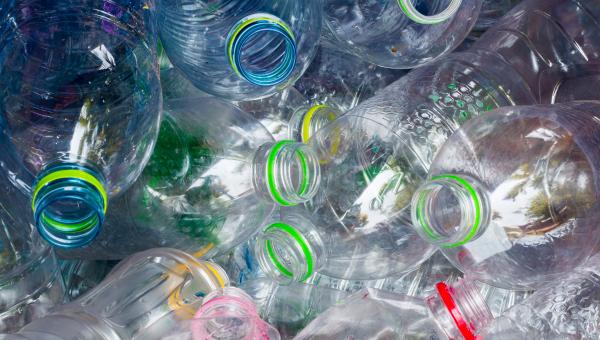
Pyrolysis oil allows petrochemical manufacturers and recyclers to reduce the need for virgin petroleum-based feedstocks. Our industries cannot reap the benefits of advanced recycling without being able to take advantage of the substance’s broad uses, especially as a feedstock to make building blocks for new plastics.
Have you ever wondered how crude oil or natural gas is processed, and how it becomes the building blocks of products we use everyday? This infographic gives a basic snapshot of how petrochemical...
AFPM Senior Director of Fuels and Vehicle Policy, Patrick Kelly, testified during the Environmental Protection Agency’s (EPA’s) public hearing on the proposed Renewable Fuel Standard (RFS) “Set” Rule. EPA’s proposal will stifle advanced biofuels, promote first generation biofuels beyond the market’s ability to absorb them and shift overall RFS growth away from liquid biofuels and into the power electricity sector. This is completely contrary to how congress envisioned EPA’s handling of the program.
AFPM's Geoff Moody issued the following statement responding to the EPA's 2023-2025 proposal for RFS blending obligations: “Congress provided EPA the ability to modernize the RFS and set it on a more sustainable course for all stakeholders. Sadly, EPA’s proposal is a missed opportunity..."
California has officially asked the Biden administration for permission to ban the sale of new gasoline and diesel vehicles by 2035—an unprecedented move that will deny millions of Americans the ability to choose for themselves the types of cars or trucks they want to drive. The decision is entirely up to President Biden...
Chet Thompson, President and CEO of the American Fuel & Petrochemical Manufacturers, today issued the below statement on the association’s ongoing work.
Washington, D.C. — American Fuel & Petrochemical Manufacturers (AFPM) Senior Vice President of Government Relations and Policy Geoff Moody issued the following statement on draft text from the House Energy and Commerce Committee which would implement reforms to the Toxic Substances Control Act (TSCA).
Since TSCA directly affects a company’s ability to make, import, sell and use chemicals, it has implications for entire American supply chains and interstate commerce.