In 2015, after years of building a collection of over 600 pipeline real-world “test specimens” to be used for advanced pipeline safety research, the Pipeline Research Council International (PRCI) opened the Technology Development Center (TDC) in Houston, Texas.
A recent Pew study found that seven-in-ten Americans now use social media. This shouldn’t come as a surprise. Social media has existed for the better part of 15 years. It is entrenched in our societal fabric.
It’s an often-overlooked fact that pipelines are the safest way to transport crude oil, natural gas liquids, petrochemicals and refined products on land.
AFPM members know that petrochemicals are invaluable to the production of countless consumer products. But many Americans may not realize how much they rely on xylene, benzene, butadiene, toluene, ethylene and propylene when they opt to spend time outside.
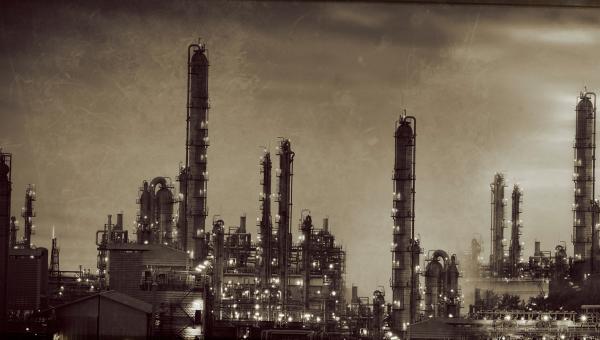
The fuel and petrochemical manufacturing industries have come a long way from the simple thermal stills used to create kerosene in the 19th century to today’s sophisticated, high-tech and complex facilities that help provide America — and the world — with the fuels, petrochemicals and products that we all rely upon every day.
McKinsey released a new report outlining the emissions profiles of plastic vs. non-plastic alternatives in multiple use cases. They found that in nearly every case examined, plastics are responsible for less greenhouse gas emissions throughout their lifecycle than alternative materials.
Because of the extensive safety and mitigation steps refiners take wherever hydrofluoric acid (HF) alkylation is concerned, the risks from this process pale in comparison to those we assume every day when we engage in routine activities like riding a bike, driving a car and playing with pets.