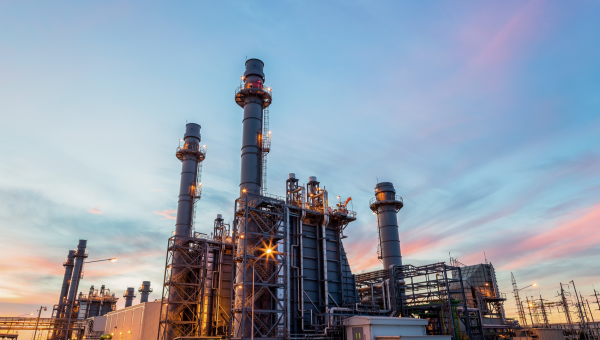
The U.S. petrochemical industry has a crucial and enduring role to play in meeting the needs of a growing world population while simultaneously fulfilling the imperative to produce petrochemicals in a sustainable and clean manner.
Thursday, August 18, AFPM President and CEO Chet Thompson sent a letter to House Transportation and Infrastructure Committee Chairman Peter DeFazio (D-OR) and Ranking Member Sam Graves (R-MO) making...
SPR releases cannot be the center of this Administration’s strategy to confront inflation and high energy prices. At best, SPR releases are a short-term fix, they are not a solution. Stability and certainty is what global crude oil markets crave.
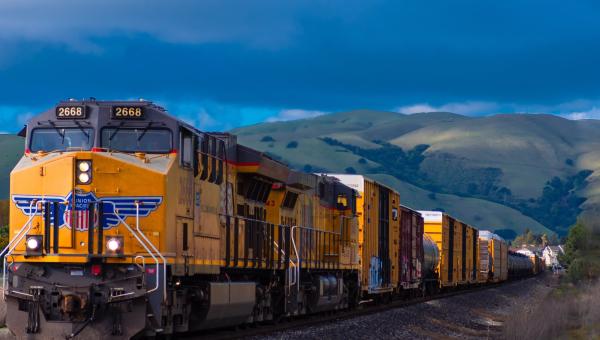
America’s freight rail system is an essential part of our national and global supply chains, including those for fuels and petrochemicals. While a work stoppage would be devastating, service curtailments and other strike impacts will be felt much sooner—before a strike is formally launched. As we learned this September, railroads will begin metering traffic and embargoing shipments of materials critical to the refining and petrochemical industries up to a week or more before a strike begins.
On Tuesday, November 29th AFPM President and CEO Chet Thompson sent a letter to Congressional leadership urging their immediate intervention to avoid a rail worker strike. Thompson stressed that time is of the essence since shipping embargos and service curtailments capable of disrupting U.S. manufacturing, fuel production and freight deliveries are starting now, well before a December 9 work stoppage. A copy of AFPM’s letter is available here and excerpts can be found below:
Not only do the fuel and petrochemical industries make it possible, they’re also responsible for preserving and maintaining some of the best-known landmarks all over the world. Read on to join us for a ‘round the globe trip to some of the world’s most famous petrochemicals!