The temporary enforcement policy announced by the Environmental Protection Agency (EPA) triggered criticism about some in the oil and gas industry getting a “license to pollute” during a public health emergency.
Join us for a discussion with AFPM’s chief industry analyst, Susan Grissom and Turner Mason’s Executive Vice President, John Auers, on the prospects for the refining industry over the next 5 years...
If the Biden Administration is serious about helping consumers, it needs to adopt policies that promote U.S. energy production and refining. A good place to start would be right-sizing RFS mandates.
Decarbonizing heavy trucks and airplanes, which will continue to rely on liquid fuels for the foreseeable future, once seemed a distant dream. That is changing thanks to innovation and investment from America’s fuel refiners, which are manufacturing renewable diesel and sustainable aviation fuels that cut carbon emissions by as much as 80 percent.
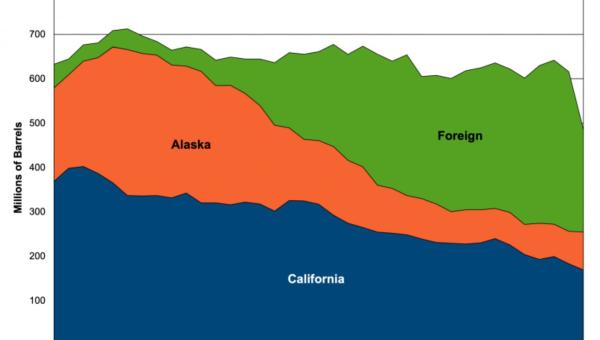
Limiting California’s access to the exact types of crude oil its facilities need will only increase prices for the state’s consumers and travelers. Drivers are already dealing with gasoline prices in excess of $5 per gallon and the highest fuel taxes of the 50 states. Confining energy producers and consumers to a smaller pool of crude oil will make a very sensitive price environment that much worse.
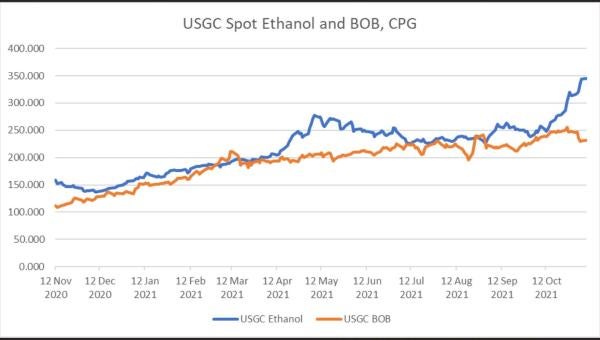
So much for the Biden administration being concerned about rising energy costs. This proposal would needlessly increase already record-breaking RFS compliance costs which, in turn, will raise the cost of producing gasoline and diesel for U.S. consumers—and it would do so with no corresponding environmental benefit or increase in biofuel blending.
A 15-year rise in U.S. exports of refined products continued in 2019 with our nation exporting more than ever, underscoring the importance of these products to fueling a growing world.