In the days before stain-resistant carpets and upholstery, keeping muddy dogs and kids’ shoes off the furniture and out of the living room was a full-time job.
As research continues to yield breakthroughs in modern transportation, the evidence clearly shows that petrochemicals are integral to the future of travel.
Every day, AFPM members make products that improve our lives and contribute to human progress — including fuels like gasoline, diesel and jet fuel that facilitate access to vital health services, and petrochemicals used as building blocks to create healthcare equipment, devices and technologies.
The latest job numbers out today (Friday, September 7th) once again paint a rosy picture of the U.S. economy – 201,000 jobs were added in August, above expectations, and wages continued to increase.
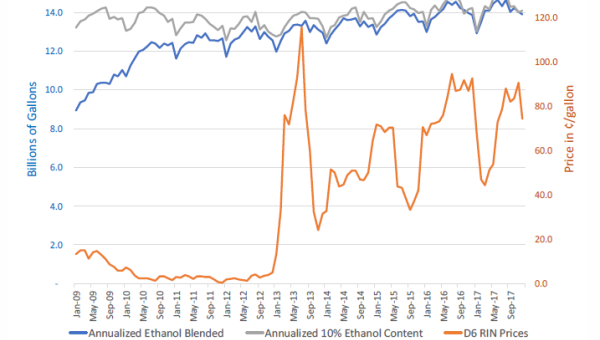
There is a fundamental flaw in the system designed to ensure compliance with the Renewable Fuel Standard (RFS): The assumption that refiners would not blend ethanol into their fuel were it not for the policy and its threat of crippling costs being imposed on obligated parties who do not blend.
As Hurricane Florence approaches the East Coast, Carolina communities are preparing for the Category 3 storm to make landfall – while nearly two million residents are under warning to evacuate.
As Hurricane Florence approached the East Coast this week, nearly two million residents throughout the Carolinas, Maryland and Virginia were placed under evacuation watch.
During a recent visit to Iowa — smack in the middle of corn country — the President announced a policy change that would direct the Environmental Protection Agency (EPA) to waive Clean Air Act rules and permit the year-round sale of E15 (gasoline with 15-percent ethanol).
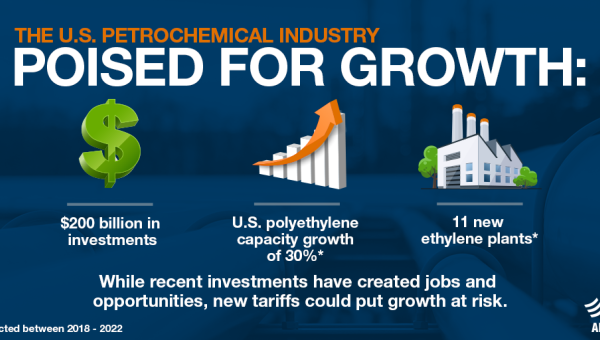
One of America’s major strengths when it comes to the economy and global trade is our petrochemical industry, which produces the building blocks used in manufacturing supply chains across the globe.