WASHINGTON, D.C. — The American Fuel & Petrochemical Manufacturers (AFPM) is out with a new ad—Don’t California our cars—urging Congress to overturn EPA’s 2024 rule authorizing California’s ban on sales of new gas, diesel and traditional hybrid vehicles.
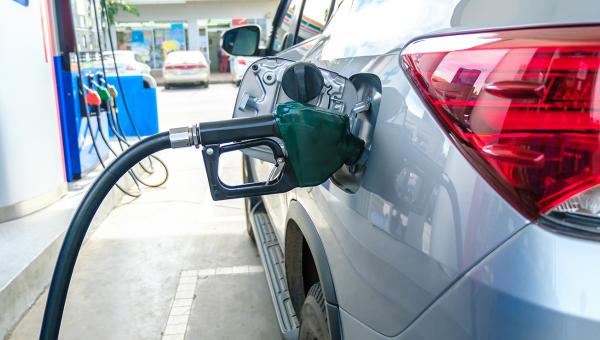
Every day, U.S. consumers purchase more than 350 million gallons of gasoline to get to work and school, to go on vacation and to see family. But what goes into the price we pay for gasoline?
WASHINGTON, D.C. — Today, the American Fuel & Petrochemical Manufacturers (AFPM) is launching Driver’s Seat, a new issue ad highlighting Vice President Kamala Harris’ well-documented support for a California-style 100% ban on sales of new gas cars across the United States, policy that is even more extreme than the unpopular Biden-Harris EPA regulation aimed at phasing out most new gas cars by 2032.
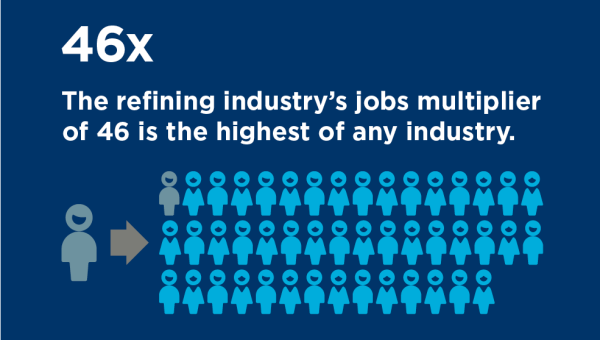
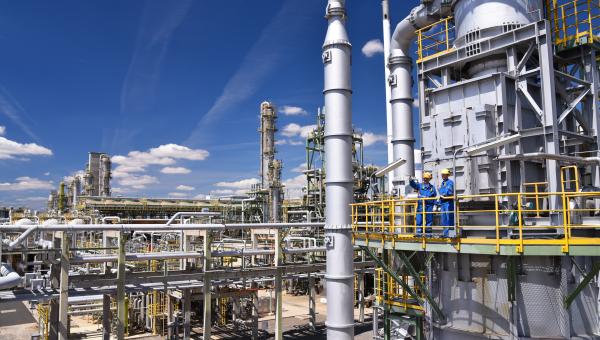
The U.S. refining industry has a widespread economic impact on our nation. It supports millions of American jobs and pumps billions of dollars into the economy, as documented by the new AFPM report Economic Contributions of U.S. Petroleum Refineries. Report highlights, based on the latest full year of data available through IMPLAN (2022), are featured in this blog.
WASHINGTON, D.C. — The American Fuel & Petrochemical Manufacturers issued the following statement from Chief Industry Analyst Susan Grissom on Governor Gavin Newsom’s call for legislation that will impose a new, costly mandate on California refiners.
We get it. If supply and demand are what determine gasoline prices, you would think mandatory storage of even more gasoline in California might help to keep prices lower for consumers. But it’s not that simple. In fact, mandating that refiners keep significant volumes of gasoline in inventory ALL THE TIME is a recipe to raise everyday fuel costs in the California market and potentially reduce supplies of fuel available to Arizona and Nevada. And what’s worse, there’s no evidence that having more fuel in inventory would stop the occurrence of price jumps.
WASHINGTON, D.C. — Chet Thompson, President and CEO of the American Fuel & Petrochemical Manufacturers (AFPM), issued the following statement on California Senate Bill 950, legislation which authorizes the California Energy Commission (CEC) to impose a new mandate on state fuel refiners.
Pundits and politicians often frame energy technologies like solar generation and liquid fuels as competitors, not companions. But a visit to Flint Hills Resources’ Pine Bend refinery might change their minds.
From June 1 to September 15 every year, nearly all gasoline sold in the United States is required to be a “summer” gasoline which is different in a few key ways from the gasoline sold during the rest of the year.