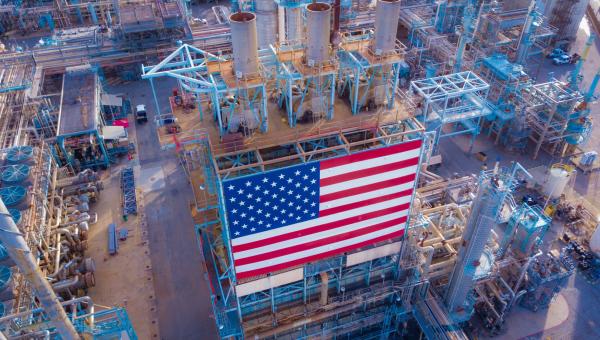
With the possibility that the EPA and policymakers could make updates to the Risk Management Plan (RMP) program, there are three things we encourage them to keep in mind: 1. RMP is working as intended and keeping people safe. 2. Any changes to RMP must be evidence-based and actionable. 3. Using RMP to zero in on hydrofluoric acid (HF) alkylation at refineries could have major impacts on U.S. fuel supplies.
AFPM President and CEO Chet Thompson issued the following statement: "AFPM applauds the United States Trade Representative (USTR) for elevating this important matter. Mexico’s policies toward American energy companies need to be addressed in the spirit of the United States-Mexico-Canada trade agreement (USMCA). American refiners have made significant investments in Mexico-based operations, jobs and infrastructure and we want our trade relationships with Mexico to remain healthy and mutually beneficial.”
A Strategic Petroleum Reserve (SPR) release—which basically involves making additional barrels of crude oil available for sale to the world market—is meant to increase global supply. Meeting today’s demand with more supply is a recipe for lower prices. The United States released millions of barrels from our SPR in the past several months, as did many other countries.
Russian crude oil accounts for just three percent of U.S. crude oil imports and about one percent of total crude oil processed by U.S. refineries. Even still, Russian crude oil imports are important to refineries on the West Coast and Gulf Coast for some distinct reasons. Read more on this topic from AFPM’s industry analysts in their recent assessment: “U.S. Imports of Crude Oil and Petroleum Products from Russia.”
AFPM supports the people of Ukraine against Russia’s unprovoked acts of war. These acts of aggression are unacceptable and should be met with fierce opposition. AFPM fully supports the suspension of all future purchases of crude oil and petroleum products from Russia. To protect consumers, however, any import prohibition should exempt products currently in transit to the United States.
The U.S. refining industry is the most competitive in the world, which is a benefit to American households. Our complex facilities are uniquely suited to handle difficult-to-refine crude oil and other petroleum feedstocks that refineries elsewhere cannot process. This creates competitive advantage. At the same time, the United States is able to sell some of our higher-quality crude to countries that need it. This combination is powerful.
Oil markets are famously sensitive to uncertainty. Global conflict can send prices higher on concerns that crude oil supplies could be disrupted. This is playing out in response to Russia’s unprovoked acts of war against Ukraine. Russia is a major supplier of crude oil and other energy products globally, though less so in the United States. In recent days, many market participants have committed to stop purchasing Russian oil. Shipping companies are concerned about loading cargoes from Russia and some shippers are finding the cost associated with such cargoes too high. These moves are tightening an already tight market.