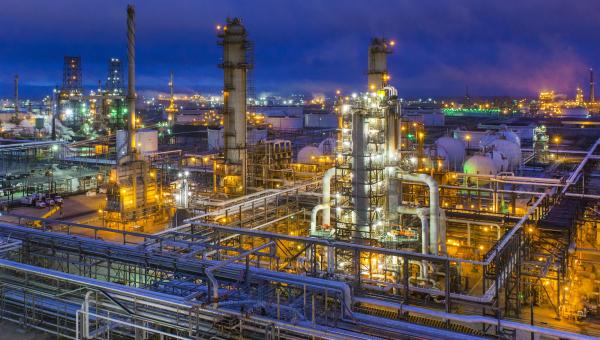
In 2015, after years of building a collection of over 600 pipeline real-world “test specimens” to be used for advanced pipeline safety research, the Pipeline Research Council International (PRCI) opened the Technology Development Center (TDC) in Houston, Texas.
A recent Pew study found that seven-in-ten Americans now use social media. This shouldn’t come as a surprise. Social media has existed for the better part of 15 years. It is entrenched in our societal fabric.
WASHINGTON, D.C. – AFPM supports the drive to make the transportation fleet more efficient and sees our industries as integral in that process. CAFE standards must be achievable, affordable for drivers, reflective of consumer preferences, and consistent across the United States.
One key component called for in nearly every recipe for clean, low-sulfur gasoline is alkylate. Alkylate is high in octane, low in sulfur and has zero aromatics which all help to lower vehicle emissions and tailpipe pollution.
It’s an often-overlooked fact that pipelines are the safest way to transport crude oil, natural gas liquids, petrochemicals and refined products on land.
Last week, the Environmental Council of the States (ECOS) held their spring meeting in Washington, D.C. to discuss, among several things, the changing energy and regulatory landscape during a Trump administration.
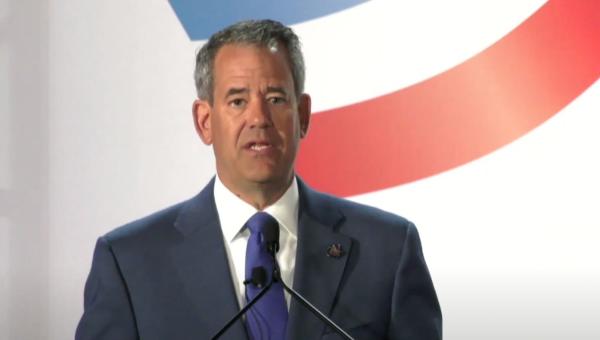
Statement from Chet Thompson: A plain reading of the RFS makes clear that Congress intended for the small refinery hardship program to be a lasting safety net. There is no “use it or lose it” provision.
WASHINGTON, D.C. – The American Fuel & Petrochemical Manufacturers (AFPM) has announced the winners of the 2020 Annual Safety Awards, part of an ongoing mission to enhance and recognize outstanding workplace safety.