

What they’re saying: Diesel export ban equals higher gas prices
We’ve shared why a diesel export ban could mean less U.S. fuel production and higher prices. Now, a growing chorus of experts, analysts and administration officials is sounding the same warning specifically for gasoline: an export ban could push prices at the pump higher.

What they’re saying, part 4: Export ban is the wrong move for U.S. energy security
Part 4 of our ongoing series sharing expert perspectives on why a diesel export ban (or a ban on U.S. crude oil or any American-made fuels) would backfire spectacularly.
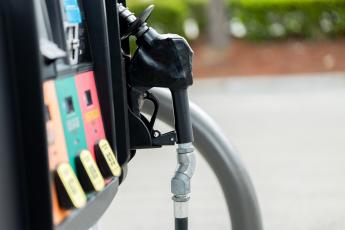
A diesel export ban could raise gasoline prices
A diesel export ban may sound like a way to lower fuel costs. In reality, it could actually raise gasoline prices. Blocking diesel exports would eventually force refiners to cut fuel production overall, including gasoline, putting upward pressure on prices and increasing America's reliance on imported fuel. Here’s why.

U.S. business, energy, manufacturing groups urge President Trump to reject fuel export restrictions
Washington, D.C. – Today, more than 30 U.S. business, energy and manufacturing groups from around the country issued a letter to President Trump today urging him to reject calls to ban or limit the export of diesel and other fuels from the United States.

What they’re saying, part 3: Export ban is the wrong move for U.S. energy security
We’ve already shared a pair of blog posts featuring perspectives from experts, analysts, reporters and even some current/former administration officials on why an export ban on U.S. crude oil or American-made diesel, gasoline and refined products would be a costly mistake. Now, we’re sharing even more perspectives, and the fact there are so many tells you all you need to know about why an export ban would backfire.
What they’re saying, part 2: Export ban is the wrong move for U.S. energy security
Previously, we shared perspectives from experts, analysts, reporters and even some current (and former) administration officials on why an export ban on U.S. crude oil or American-made diesel, gasoline and refined products would be a grave mistake. Instead of cutting prices for consumers, it would result in less U.S. fuel production, tighter supplies, greater energy security risks and higher prices. Here are even more perspectives on why an export ban is the wrong move for U.S. energy security.

Q&A: From a terminal outside Midland, Texas… How our industries change lives
Out in West Texas at one of the largest crude oil terminals in the country, AFPM’s oft-repeated line, “we make modern life possible,” rings truer than ever. Plains All American Pipeline’s Midland terminal moves roughly a million barrels of crude oil every day from the Permian Basin to refining, storage and distribution hubs, helping deliver the energy, fuels and products people rely on across the United States and around the world.
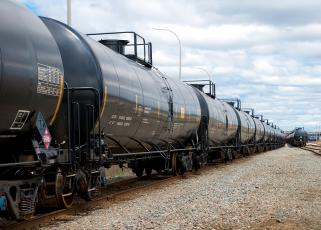
AFPM: Significant competition concerns remain as STB review of proposed rail merger continues
WASHINGTON, D.C. – American Fuel & Petrochemical Manufacturers (AFPM) Vice President of Petrochemicals and Midstream Rob Benedict issued the following statement regarding the Surface Transportation Board's (STB) decision to deny motions for summary denial of the proposed Union Pacific-Norfolk Southern rail merger application and allowing the proceeding to move forward on the merits.

Why a diesel export ban would backfire
It may seem logical that if the United States stops exporting diesel, more fuel will stay here and prices will fall. But more diesel in the United States does not necessarily mean lower prices at the pump, especially when the United States is not facing a shortage of diesel. If refiners cannot export or economically store surplus diesel, some could reduce production, which tightens supplies, puts upward pressure on fuel prices and weakens U.S. energy security.